Technology
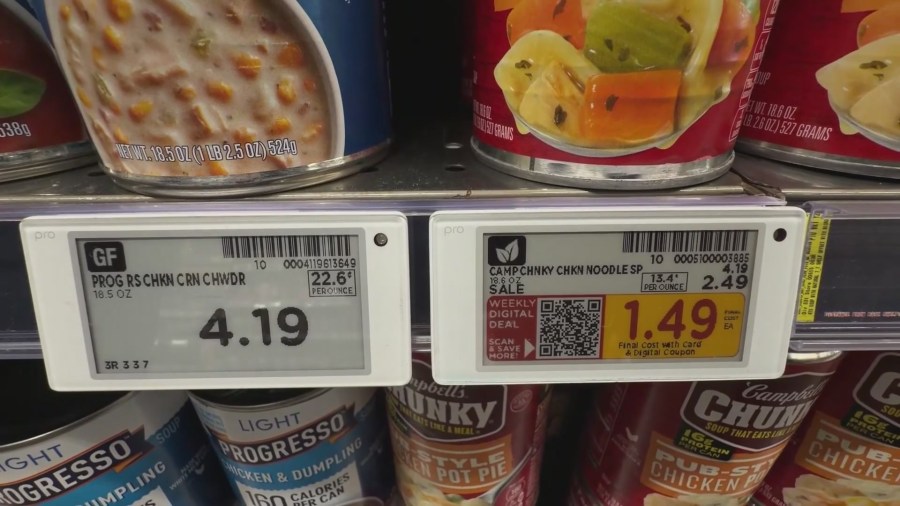
Digital price tags at grocery stores raise surveillance pricing fears
By Maya Johnson
Advertisement · Why this ad?
With a Bachelor’s degree in Education and Journalism from Loyola University Chicago, Lisa Nguyen has dedicated her career to covering educational issues in the city. She has worked for WBEZ, focusing on local initiatives and reforms affecting Chicago schools.
More from Lisa →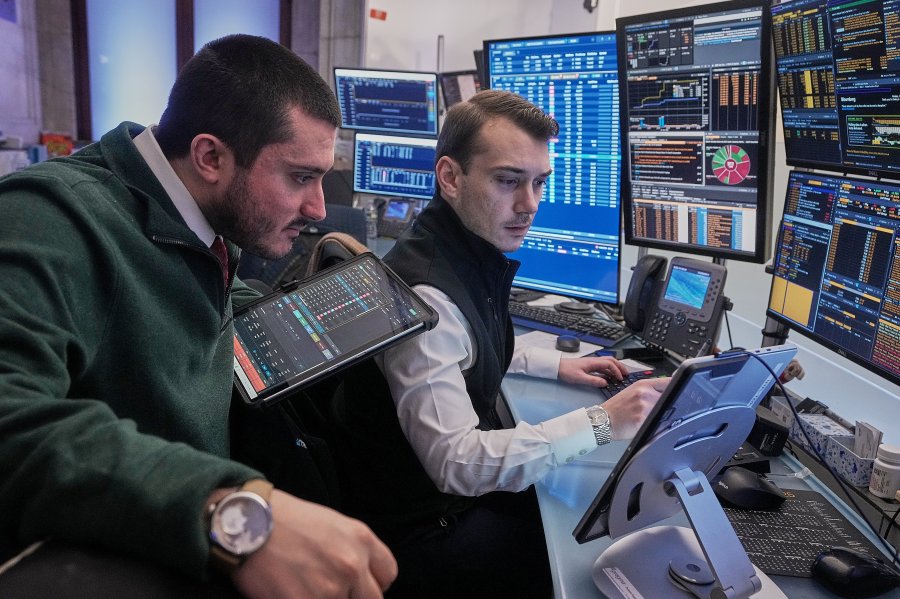
On a day when the Chicago skyline often mirrors the bustling energy of Wall Street, a sudden and severe downturn sent shockwaves through the financial district. I watched as traders' faces shifted from cautious optimism to stunned disbelief, their screens flashing red with losses. The culprit was a brutal sell-off that swept through the stock market, particularly hammering stocks tied to the rapidly expanding artificial intelligence (AI) sector. This sudden plunge erased the market’s gains from the previous day, which had marked a three-month high, leaving investors reeling and questioning what comes next.
Thursday’s trading session was marked by a sharp decline in the S&P 500, which fell by 4.4 percent—the worst single-day drop since the start of the year. The decline was led by a wave of selling in stocks associated with AI data centers and technology giants heavily invested in AI infrastructure. Companies like NVIDIA, which has become a bellwether for AI growth, saw their shares plummet, contributing heavily to the broader market downturn. The sell-off was triggered by concerns over overvaluation and the possibility of regulatory crackdowns that could slow the sector’s momentum.
The sell-off was so intense that it wiped out the market’s gains from the previous day, which had been the best in three months. Investors, who had been optimistic about the continued growth of AI and its potential to revolutionize industries, suddenly found themselves questioning the sustainability of these rapid gains. The Dow Jones Industrial Average also suffered significant declines, reflecting widespread fears that the AI bubble might be deflating after a period of rapid expansion.
Analysts point to a combination of profit-taking, rising interest rates, and concerns over inflation as fueling the panic. Many investors are now wary of overexposure to high-flying tech stocks, especially those heavily reliant on future earnings from AI innovations. The sell-off underscores the volatility that often accompanies emerging sectors where hype can outpace actual earnings and growth prospects.
Back in Chicago, local investors and financial advisors are watching these developments with a mixture of concern and cautious optimism. “It’s a stark reminder that no sector is immune to market corrections,” says James Carter, a financial planner based in the Loop. “While AI remains a promising technology, investors need to approach it with a balanced perspective and not get caught up in the hype.” Many families and small investors, who often rely on their retirement savings and college funds, are feeling the impact firsthand, especially those who have poured savings into tech stocks expecting continued growth.
For many in the community, the sell-off also highlights the importance of strong, stable families and faith-based values. “When markets are unpredictable, it’s our faith and family bonds that keep us grounded,” shares Maria Lopez, a local church leader and financial counselor. “We pray for wisdom and patience, knowing that true security comes from trusting God and building lasting relationships.” This sentiment resonates deeply in neighborhoods where faith and family remain central to daily life, offering hope amid economic turbulence.
Looking ahead, market analysts suggest that the recent decline may be a temporary correction rather than the start of a prolonged downturn. Many experts advise investors to reassess their portfolios, diversify holdings, and avoid panic selling. The Federal Reserve’s upcoming decisions on interest rates and regulatory policies will likely influence the sector’s recovery or further decline. Meanwhile, companies involved in AI are expected to continue innovating, albeit at a more cautious pace.
In Chicago, a city known for its historic resilience through economic upheavals, this recent market turbulence echoes past financial crises that tested the community’s strength. The city’s financial district, anchored by the Chicago Mercantile Exchange and a vibrant network of local investment firms, has weathered many storms. Local financial advisors emphasize the importance of long-term planning, especially during volatile periods like this. They advise clients to focus on diversified portfolios that balance risk and reward, and to remain grounded in their core values.
For Chicago’s families and local businesses, the focus remains on resilience and prudent planning. Community leaders emphasize the importance of faith, strong marriages, and building a secure future rooted in integrity and hope. As the city continues to grow as a hub for technology and innovation, so too does the need for balanced, faith-driven approaches to economic challenges. The road ahead may be uncertain, but the strength of community and faith can provide stability in turbulent times.
Chicago’s emergence as a tech hub has been a story of steady growth and strategic investment. Over the past decade, the city has attracted startups and established firms specializing in AI, data analytics, and cybersecurity. Neighborhoods like the West Loop and the South Loop have become centers for innovation, hosting incubators, co-working spaces, and university research centers. Institutions like the University of Chicago and Northwestern University have contributed to the local talent pool, fostering a new generation of engineers and data scientists.
Many local entrepreneurs and investors see AI as a vital part of Chicago’s economic future. The recent sell-off, while unsettling, is also viewed as a necessary correction that will ultimately strengthen the sector by encouraging more cautious, sustainable growth. Local tech leaders are advocating for policies that promote responsible innovation and transparent regulation, ensuring that Chicago remains competitive without risking the kind of speculative bubbles seen elsewhere.
In response to market volatility, several community organizations have stepped up to provide financial education and emotional support. The Chicago Family Ministries, for example, offers workshops on financial literacy, emphasizing the importance of saving, investing wisely, and maintaining faith during economic downturns. Director Samuel Rodriguez notes, “Our goal is to empower families to navigate these turbulent times with confidence and hope.”
Faith-based organizations like Faith & Finance Institute also provide counseling and workshops that integrate spiritual principles with financial planning. These initiatives aim to help families build resilience and maintain their values, regardless of market fluctuations. Such community efforts are vital in a city where faith and family are central to daily life, especially when economic uncertainties loom large.
As the dust begins to settle, experts emphasize the importance of community solidarity and prudent investment strategies. Local financial advisors recommend that families revisit their financial goals, consider long-term horizons, and avoid knee-jerk reactions to market swings. Diversification remains the best defense against unpredictable volatility, especially in emerging sectors like AI.
On a broader scale, policymakers and industry leaders are calling for clearer regulations to prevent future bubbles and protect investors. The Securities and Exchange Commission (SEC) has signaled increased scrutiny of high-growth tech stocks, which could lead to new rules around transparency and valuation practices. Such measures aim to stabilize markets and restore investor confidence.
Meanwhile, Chicago’s tech community is rallying around the idea that innovation must proceed responsibly. Entrepreneurs and investors alike are advocating for a balanced approach that fosters growth without risking the kind of speculative excess that can lead to crashes. As local leaders emphasize, the city’s strength lies in its capacity to adapt and innovate while remaining rooted in its core values of faith, family, and community.
In conclusion, while the recent AI stock sell-off has caused short-term pain, it also presents an opportunity for reflection and renewal. The resilience of Chicago’s community, combined with a commitment to responsible growth and faith-based values, offers hope that brighter days lie ahead. As we face these economic challenges together, the city’s enduring spirit reminds us that true security comes not just from financial assets but from the bonds we build and the faith we hold dear.
By Maya Johnson

By Tommy Nguyen

By Lisa Nguyen
By Nick Martinez